Fall Furnace Tune-Up: Get Ahead of Heating Season Before the Cold
Every year the same thing happens across the Shenandoah Valley. The first genuinely cold night arrives some time in late October, thousands of furnaces get asked to run for the first time in six months, and a predictable share of them do not. The phones start ringing that evening, and the people who called in September are already warm.
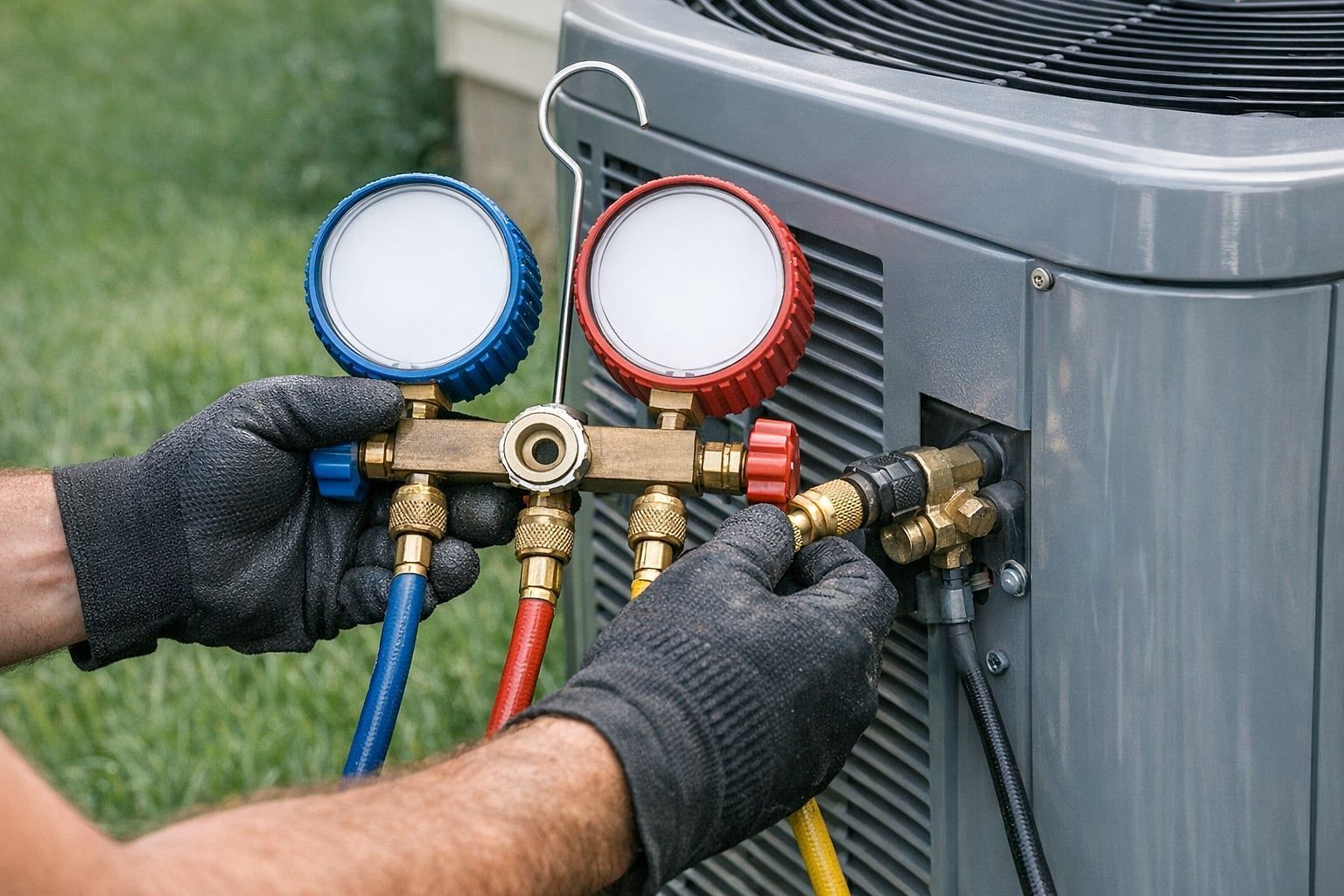
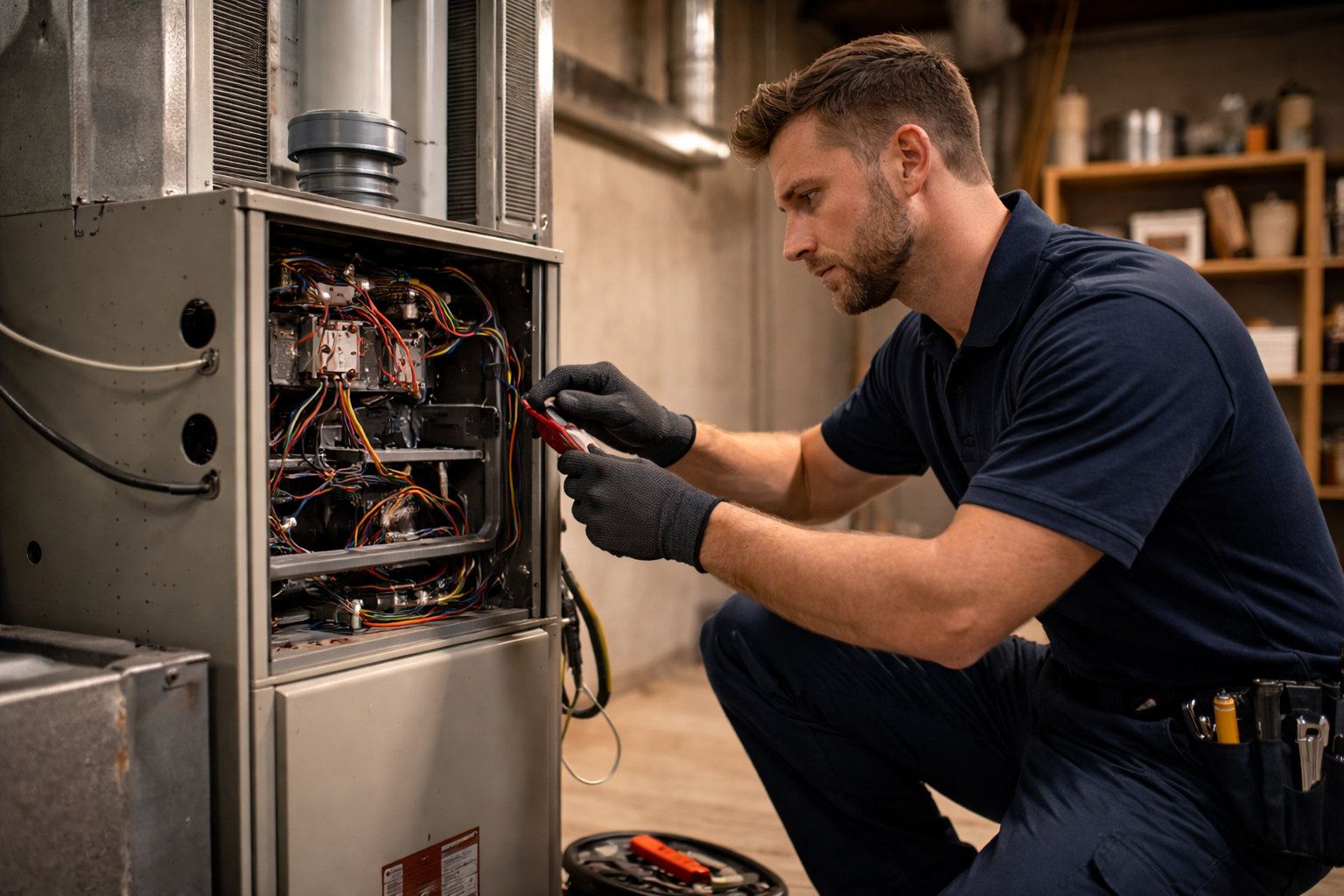
A fall furnace tune-up is a scheduled inspection and service of your heating system before you need it, typically covering the burners, the heat exchanger, the blower, the filter, the thermostat, and the safety controls. The point is not the cleaning. The point is finding the part that is about to fail while it is still a scheduled appointment rather than an emergency at eleven at night.
This guide covers what a tune-up actually includes, why the timing matters more than most people think, what it will not fix, and how the answer changes if you heat with a heat pump instead of a furnace. Integrity Air Solutions services heating systems across Staunton, Waynesboro, Fishersville and the surrounding counties.
What a Furnace Tune-Up Actually Includes
Homeowners are often unsure whether a tune-up is real work or a sales visit with a clipboard. Here is what the visit covers and why each item is on the list.
| What gets checked | Why it matters | What failure looks like |
|---|---|---|
| Heat exchanger | Cracks can let combustion gases into the airstream | Safety shutdown, or worse if undetected |
| Burners and ignition | Dirty burners fire unevenly and waste fuel | Short cycling, delayed ignition, soot |
| Blower motor and wheel | Moves the heat you paid to make | Weak airflow, overheating, noise |
| Flue and venting | Carries combustion gases out of the house | Blockage, backdraft, corrosion |
| Safety controls and limits | Shut the system down before damage or danger | Nuisance lockouts, or no protection at all |
| Thermostat calibration | Determines when the system runs at all | Rooms that never reach setpoint |
| Filter and airflow | Restriction strains everything downstream | Overheating, high bills, cracked exchanger |
The heat exchanger check is the one that justifies the whole visit. It is the wall between the fire and the air you breathe, and a crack in it is not something a homeowner can see or smell reliably.
Why Fall, and Not the First Cold Night
The timing is not a marketing preference. It follows from how heating systems fail.
A furnace sits idle from roughly April to October. Dust settles on the burners, a bearing that was marginal in spring gets no exercise, a control board sits in an unconditioned space through a humid Valley summer. Nothing about that idle period makes a system healthier. Then it gets switched on and asked to go from zero to continuous operation in a single night.
Running that first test in September, on a mild day, changes the situation completely.
- A failure becomes an appointment. If something is wrong, you find out on a fifty degree afternoon with time to get a part, not during a hard freeze.
- Parts are available. Supply gets tight once the whole region is calling at once, and an unusual part in October can mean waiting.
- Scheduling is yours. In September you pick the day. In January you take what is available.
- Small problems are still small. A struggling blower motor caught early is a motor. Left to run hard through December, it can take other things with it.
There is also a plain comfort argument. Nobody wants to discover the heating does not work at bedtime with children in the house.
The Checks That Matter Most in Older Valley Homes
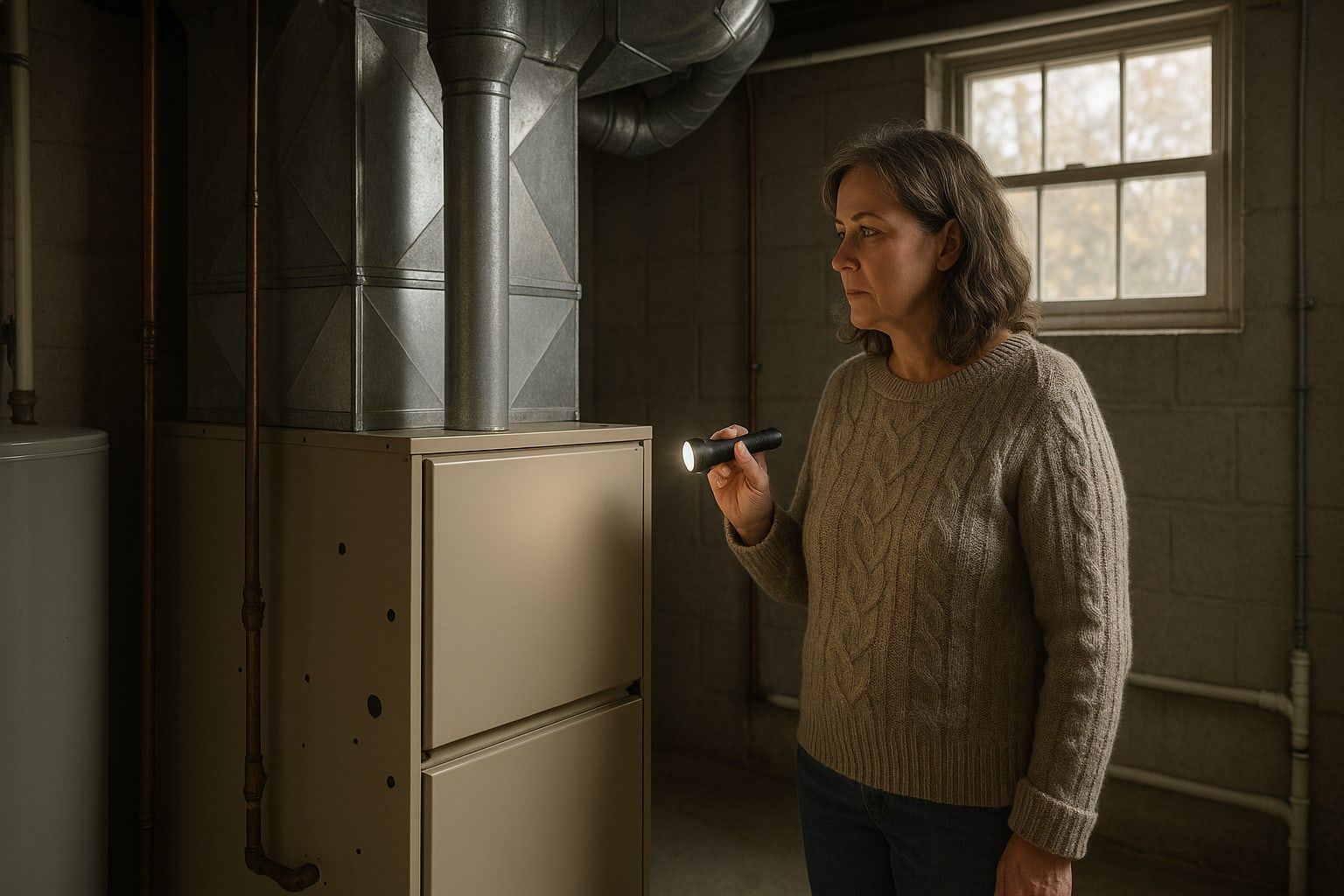
A lot of the housing stock around Staunton and Augusta County is older than the heating system currently installed in it, and that combination produces its own set of issues. Systems get replaced; the ductwork, the chimney and the envelope around them often do not.
- Venting into an old masonry chimney. Plenty of Valley homes vent a modern furnace into a chimney built for something else entirely. Deterioration in the liner is a genuine safety item and it is not visible from inside the house.
- Ductwork in unconditioned crawl spaces. Common in this area, and a source of heat loss that gets blamed on the furnace. If rooms are cold, the duct run is as likely a suspect as the equipment.
- Return air that was never sized properly. A furnace starved of return air overheats and trips its limit switch, which reads to a homeowner as a furnace that keeps shutting off.
- Thermostat wiring from a previous system. Replacement equipment inherits whatever wiring was there, and a mismatch shows up as strange behavior rather than an outright fault.
- Combustion air in a tightened house. Homes that have been insulated and sealed since the furnace went in sometimes no longer supply enough air for it to burn properly.
None of this is exotic. It is the ordinary result of houses and equipment aging on different schedules, and it is the reason a tune-up on a thirty year old house is a different conversation than one on a new build.
What a Tune-Up Will Not Fix
Being straight about the limits is more useful than overselling the service.
A tune-up is inspection and maintenance. It will not turn a failing furnace into a good one, it will not add capacity to a system that was undersized when it was installed, and it will not fix ductwork that does not reach the far bedroom. If your house has been uncomfortable for five winters, a tune-up will tell you why, but the fix is a separate job.
It also will not extend the life of a heat exchanger that is already cracked. When we find one, the honest answer is that the system needs replacing, and we would rather tell you in September than condemn it in January when you have no time to think.
What a tune-up reliably does is catch the failures that are cheap now and expensive later, confirm the system is safe to run, and give you a clear picture of how many seasons you realistically have left. That last one is worth more than most people expect, because it turns a future emergency into a planned purchase you can budget for.
Heat Pumps Need a Different Conversation
A growing share of Valley homes heat with a heat pump rather than a gas or oil furnace, and the fall service is not the same job.
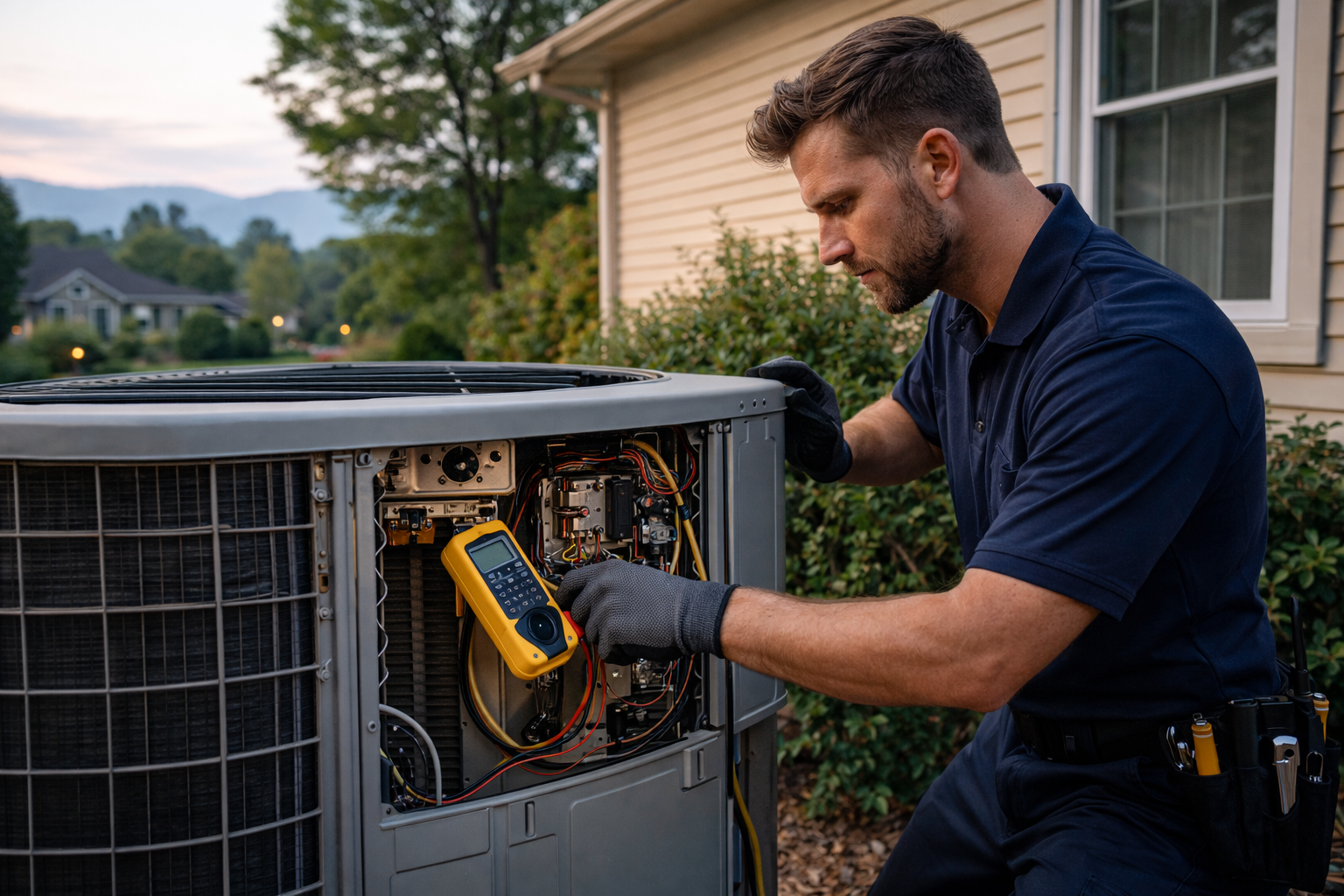
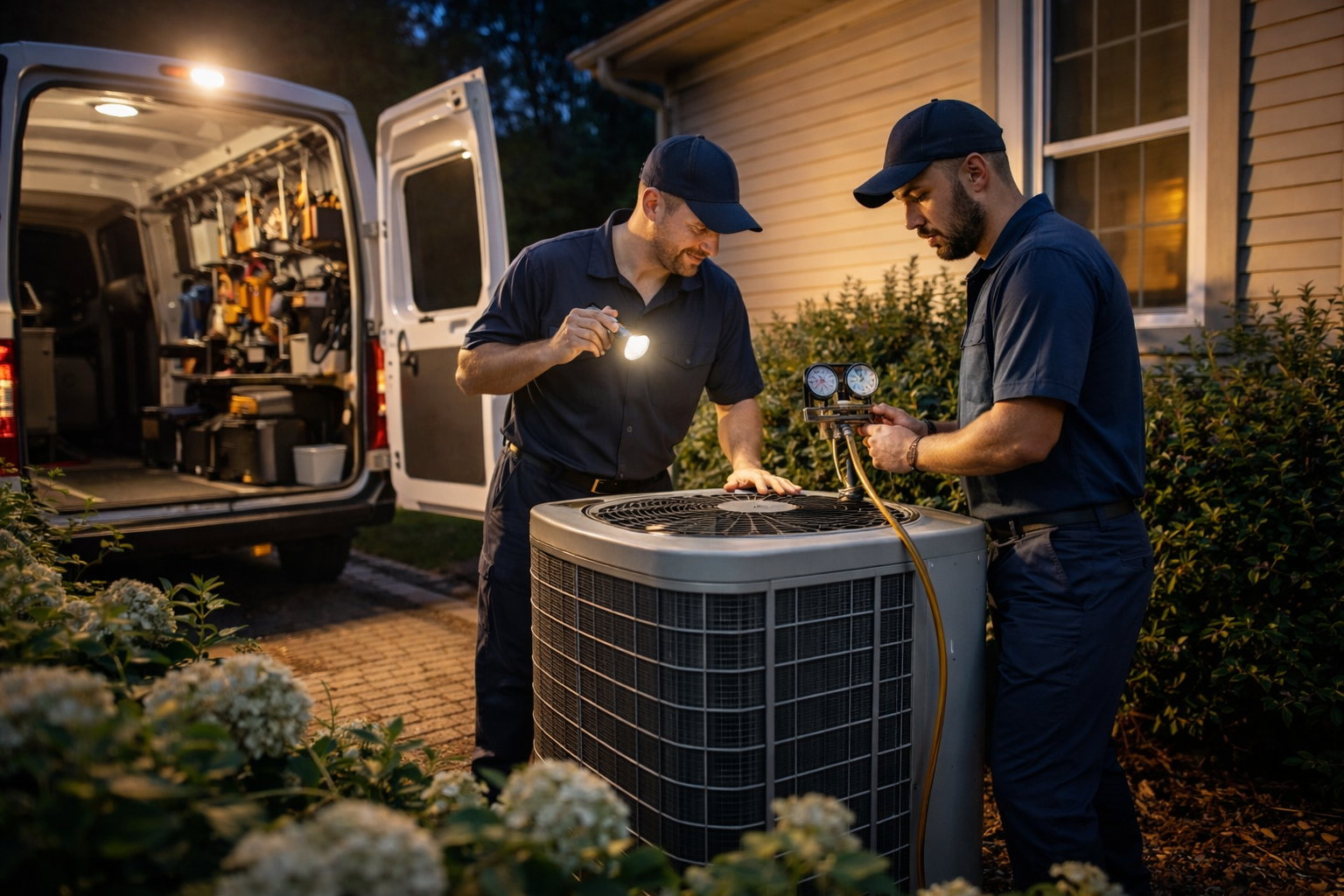
A heat pump has been running all summer as your air conditioner, so it is not coming out of a long idle period. What it is about to do is reverse and run in a mode it has not used since spring, in weather where its performance changes as the temperature drops.
- The reversing valve is the component that switches the system from cooling to heating, and a fall check confirms it actually does.
- Defrost cycle operation matters here specifically. A heat pump ices up in cold damp weather by design and needs to clear itself, which the Valley provides plenty of opportunity for.
- Backup heat strips need testing before you rely on them, and they are also where a lot of surprise winter electricity bills come from.
- Refrigerant charge affects heating capacity even more noticeably than cooling capacity, so a system that limped through August will struggle in December.
If you are not certain which you have, the simple test is whether the outdoor unit runs in winter. A furnace does not need it. A heat pump does.
What Skipping It Actually Costs
The case for maintenance is usually made in vague terms, so here is the concrete version.
The first cost is the emergency premium. A no-heat call during a cold snap is the least convenient and least negotiable moment to need a contractor. You are not comparing quotes at that point, you are asking who can come.
The second is collateral damage. Heating failures cascade. A clogged filter restricts airflow, restricted airflow overheats the exchanger, an overheated exchanger cracks, and a cracked exchanger condemns the furnace. Every step in that chain was cheaper than the one after it.
The third is the one nobody budgets for, which is a burst pipe. A house that loses heat during a hard freeze while nobody is home is a plumbing problem waiting to become a flooring problem.
Against that, a scheduled visit in September costs a morning. Integrity Air offers same-day service and takes emergency calls around the clock, so we are the ones who show up at midnight in January. We would still rather see you in September.
Why Valley Homeowners Call Integrity Air Solutions
We are an HVAC company based on Elliot Street in Staunton, working across the central and western Valley.
- Same-day service. Heating problems do not schedule themselves conveniently, and a house without heat is not a next-week problem.
- Emergency calls around the clock. The failures that matter most happen at night and at weekends, which is when we answer.
- A genuinely local service area. Staunton, Waynesboro, Fishersville, Verona, Crozet, Harrisonburg and Highland County, with a dedicated page for each. Highland County in particular is a long drive for most contractors and a normal one for us.
- The full range of heating equipment. Furnaces, heat pumps, boilers and mini-splits, which matters in an area where all four are common in houses of different ages.
- Straight answers about what your system needs. If a tune-up finds a system near the end of its life, we will say so in September rather than sell you a repair that postpones the conversation to January.
Book a Furnace Tune-Up Before the First Cold Snap
The best week to do this is the one before everyone else thinks of it. September and early October are when the schedule is open, the parts are on the shelf, and a problem found is an inconvenience rather than an emergency.
Call Integrity Air Solutions at (540) 448-7780 to book a fall heating tune-up. Tell us whether you run a furnace, a heat pump or a boiler, and roughly how old the system is, and we will know what to plan for. You can also see our heating and cooling services or request a visit through the contact page. If you are already without heat, say so when you call and we will treat it as the emergency it is.
Frequently Asked Questions
When should I schedule a furnace tune-up in Virginia?
September through mid October is the right window. It puts the service comfortably ahead of the first hard freeze, while contractor schedules are still open and parts are readily available. Waiting until the furnace fails on a cold night means competing with everyone else in the Valley for the same appointment.
What does a furnace tune-up include?
A proper tune-up covers the heat exchanger, burners and ignition, blower motor, flue and venting, safety controls and limit switches, thermostat calibration, and the filter and airflow. The heat exchanger inspection is the most important item, since a crack in it is both a safety issue and invisible to a homeowner.
Do I still need a tune-up if my furnace seems to be working fine?
Yes. Most heating failures give no warning a homeowner would notice, because the system either runs or it does not. A tune-up is how you find the marginal blower bearing, the deteriorating flue, or the safety control that has stopped working while the furnace still appears to heat normally.
Is a heat pump tune-up different from a furnace tune-up?
Yes. A heat pump has been running all summer, so the fall service focuses on the switch to heating mode: the reversing valve, the defrost cycle, the backup heat strips, and the refrigerant charge. A furnace is coming out of six months idle, so the focus is combustion, venting and safety.
How often should heating maintenance be done?
Once a year for the heating side, before the season starts. If you have a heat pump, it works year round for both heating and cooling, so it benefits from being seen twice a year, once before summer and once before winter.
Can a tune-up tell me how much life my furnace has left?
It can give you a realistic picture. Between the condition of the heat exchanger, the state of the blower and controls, and the system's age, a technician can tell you whether you are looking at several more seasons or planning a replacement. Knowing that in September turns an emergency into a budgeted decision.
Do you service heating systems outside Staunton?
Yes. Integrity Air Solutions works across Staunton, Waynesboro, Fishersville, Verona, Crozet, Harrisonburg, Highland County and the wider Augusta County area. Highland County is further west than most contractors travel, and it is part of our normal service area.